
Hey there! As a supplier of proprietary Chinese medicines, I've come across a fair share of situations where customers have reported adverse reactions. It can be a real headache, but over the years, I've learned some effective ways to handle these issues. In this blog post, I'll share my experiences and strategies on how to deal with adverse reactions to proprietary Chinese medicines.
First off, it's important to understand that adverse reactions can happen for various reasons. Sometimes, it could be due to an individual's unique body chemistry. Everyone's different, and what works well for one person might cause a reaction in another. Other times, it could be related to the quality of the medicine, incorrect dosage, or even interactions with other medications the person is taking.
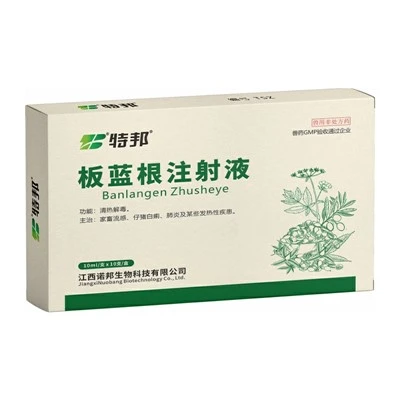
One of the first steps when I hear about an adverse reaction is to listen carefully to the customer. I let them describe what happened, how they're feeling, and when the symptoms started. This is crucial because it gives me a clear picture of the situation. I also ask about any pre - existing medical conditions and other drugs they're using. For example, if a customer tells me that they've been taking Isatis Root Extract Injection and started experiencing skin rashes a few hours later, I'll dig deeper to find out if they have a history of skin allergies or if they're on any other medications that could be interacting.
Once I've gathered all the necessary information, I immediately check the manufacturing and quality control records of the product. Our proprietary Chinese medicines go through strict quality checks at every stage of production, from sourcing the raw materials to the final packaging. But occasionally, there could be a glitch. I look for any signs of contamination, improper processing, or deviation from the standard manufacturing procedures.
If the adverse reaction seems serious, like severe allergic reactions, breathing difficulties, or loss of consciousness, I always advise the customer to seek immediate medical attention. While our proprietary Chinese medicines are generally safe, serious reactions are rare but still a possibility. I also encourage them to keep all the packaging and remaining medicine so that we can conduct further analysis if needed.
In some cases, the adverse reaction might be mild, like a slight upset stomach or dizziness. For these situations, I typically recommend that the customer stop using the product temporarily and see if the symptoms subside. I also suggest they drink plenty of water to help flush out any substances from their body.
Then, I work with a team of experts, including traditional Chinese medicine practitioners and pharmacists. We review the case and try to determine the root cause of the reaction. If it turns out to be a problem with the product, we take immediate action. This could involve recalling the batch, improving the manufacturing process, or adjusting the formulation.
Let's take Maxing Shigan Injection as an example. If a customer reports feeling nauseous after using it, we'll first check if the dosage was correct. Maybe they took more than the recommended amount. If the dosage was fine, we'll look at the ingredients. There might be an ingredient that doesn't agree with some people. Our team will then research if there are any alternative ingredients that can be used without sacrificing the effectiveness of the medicine.
Another important aspect is communication. I keep the customer informed throughout the process. I let them know what steps we're taking to address the issue and what they can expect. This helps build trust and shows that we take their concerns seriously.
We also use these incidents as learning opportunities. We document every case of adverse reaction, including the product, symptoms, and the actions taken. This data helps us improve our products and prevent similar issues in the future. For instance, if we notice a pattern of a certain type of reaction with Houttuynia Cordata Extract Injection, we can make changes to the formulation or provide more detailed usage instructions.
In addition to dealing with individual cases, we also invest in research and development. We work on improving the safety and efficacy of our proprietary Chinese medicines. We collaborate with research institutions to conduct clinical trials and studies. This way, we can better understand how our products work in different populations and identify any potential risks.
Now, when it comes to Shuanghuanglian Injection and Astragalus Polysaccharide Injection, we've had relatively few reports of adverse reactions. But we still take every single report seriously. We know that even a small number of cases can have a big impact on the reputation of our products and the trust of our customers.
Overall, handling adverse reactions to proprietary Chinese medicines is all about being proactive, transparent, and customer - focused. We're committed to providing high - quality products, but we also understand that things can go wrong. By taking the right steps, we can minimize the impact of adverse reactions and ensure the continued safety and satisfaction of our customers.


If you're interested in our proprietary Chinese medicines or have any questions, feel free to reach out. We're always happy to discuss our products and how they can meet your needs. Whether you're a distributor, a retailer, or an individual looking for natural health solutions, we're here to help. Let's start a conversation and see how we can work together!
References
- Textbook of Traditional Chinese Medicine Pharmacology
- Journal of Chinese Medicine Research on Adverse Reactions
- Reports from our in - house quality control department